11 books · 4 series
Middle Grade Books About Teamwork, Friendship, and Problem-Solving
Compare four GameLit series where progress depends on listening, adapting after failure, sharing responsibility, and choosing what kind of teammate to become.
Game systems make individual progress easy to count, but Cole Decker's series repeatedly put the decisive problem beyond one character's ability. A flexible spirit beast cannot succeed without trust, a stealth player cannot survive without judging alliances, a dungeon party needs different strengths, and a defensive network fails when neighborhoods refuse to coordinate.
That creates several kinds of teamwork rather than one simple lesson. Characters must learn when to lead, when to share information, how to recover after a failed plan, and what responsibility they have toward rivals or partners who make different choices. Cooperation is not presented as automatic agreement; it is a skill tested under pressure.
This cross-series path is useful for readers choosing by theme rather than setting. Begin with any Book 1, then follow the numbered arc to see how the team changes as the system expands and the consequences of earlier decisions become harder to avoid.
Spoiler-light reading path
Four ways the series turn cooperation into action
- 1
Value an unexpected strength
Beast Rank begins with a partnership the Academy dismisses, then tests whether Zara can understand Pudge instead of forcing him into the official model.
- 2
Decide whom to trust
Dead Last treats information as power. Nadia's alliances matter because the hidden game rewards secrecy and makes betrayal difficult to distinguish from strategy.
- 3
Build a balanced party
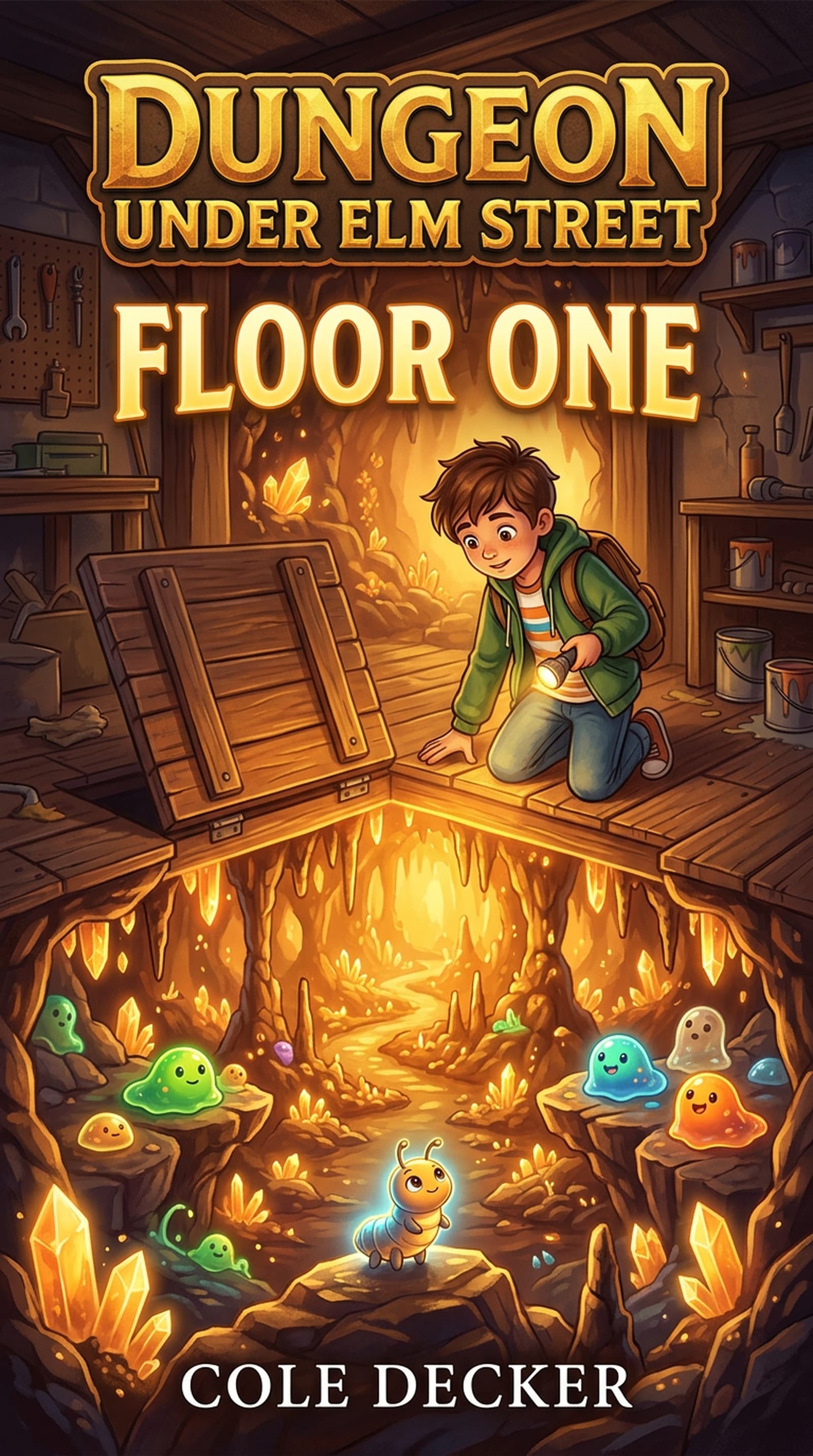
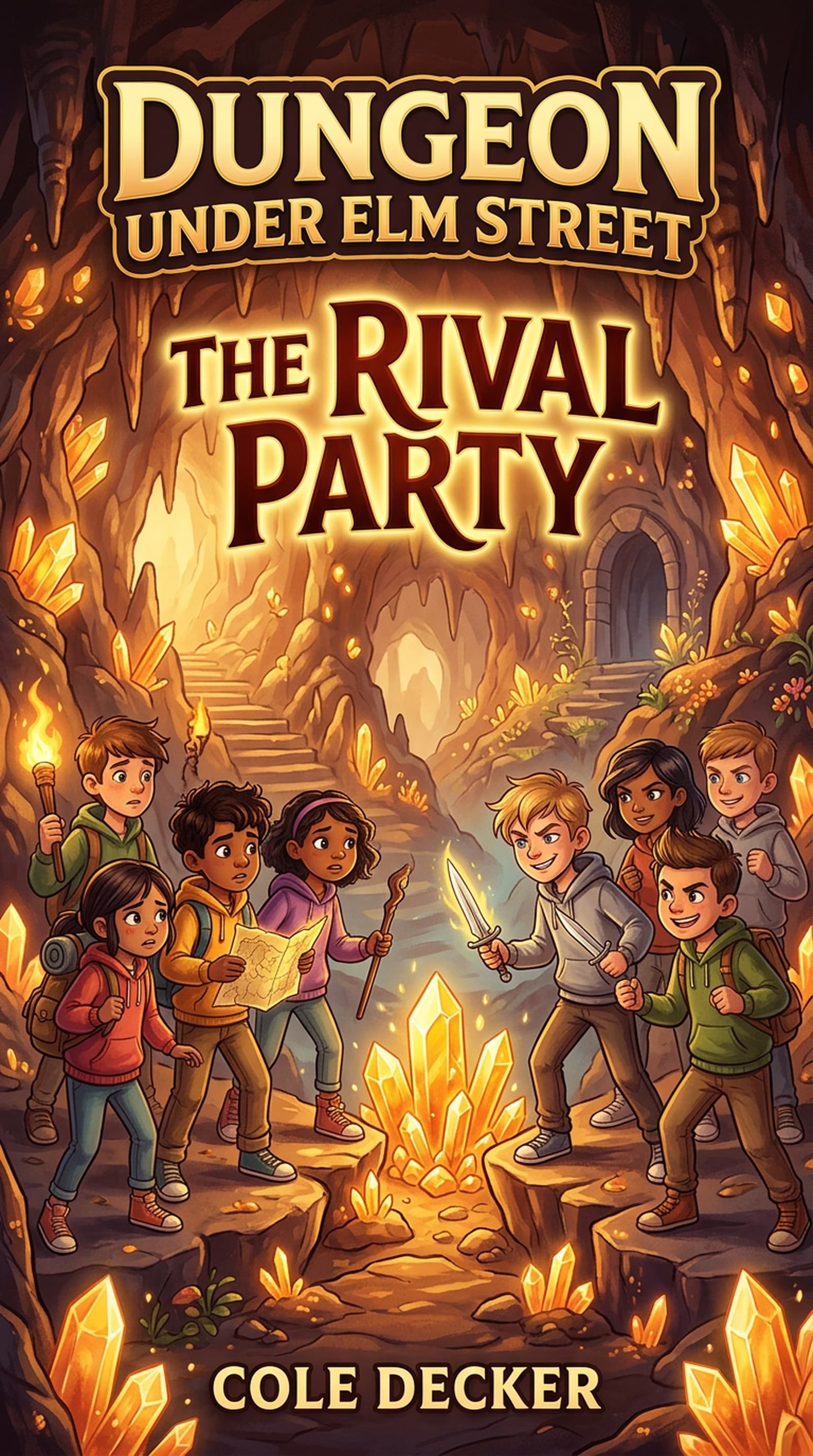
Dungeon Under Elm Street uses floors, bosses, and rival delvers to show why exploration requires different skills and responsibility for one another's safety.
- 4
Connect separate communities
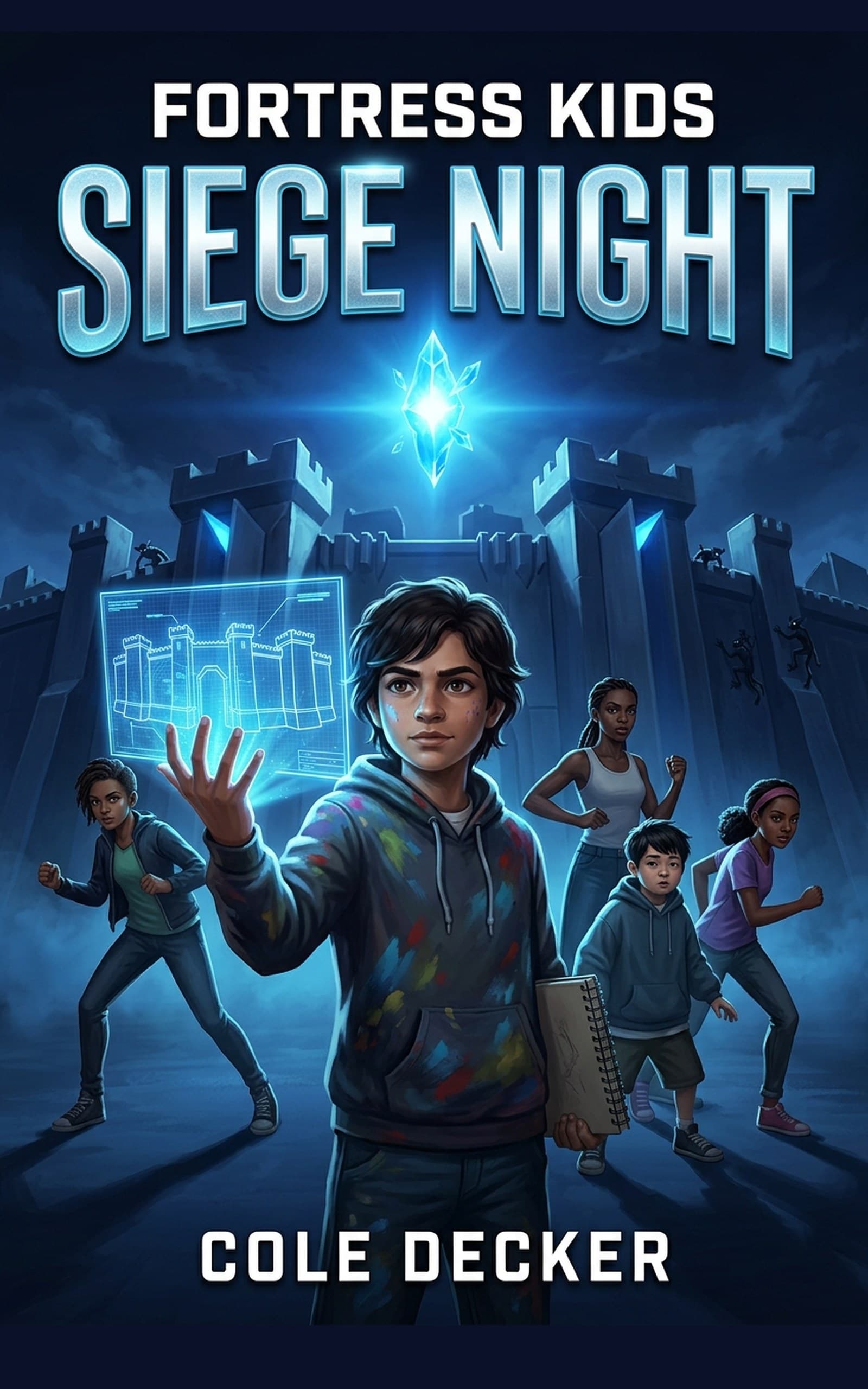
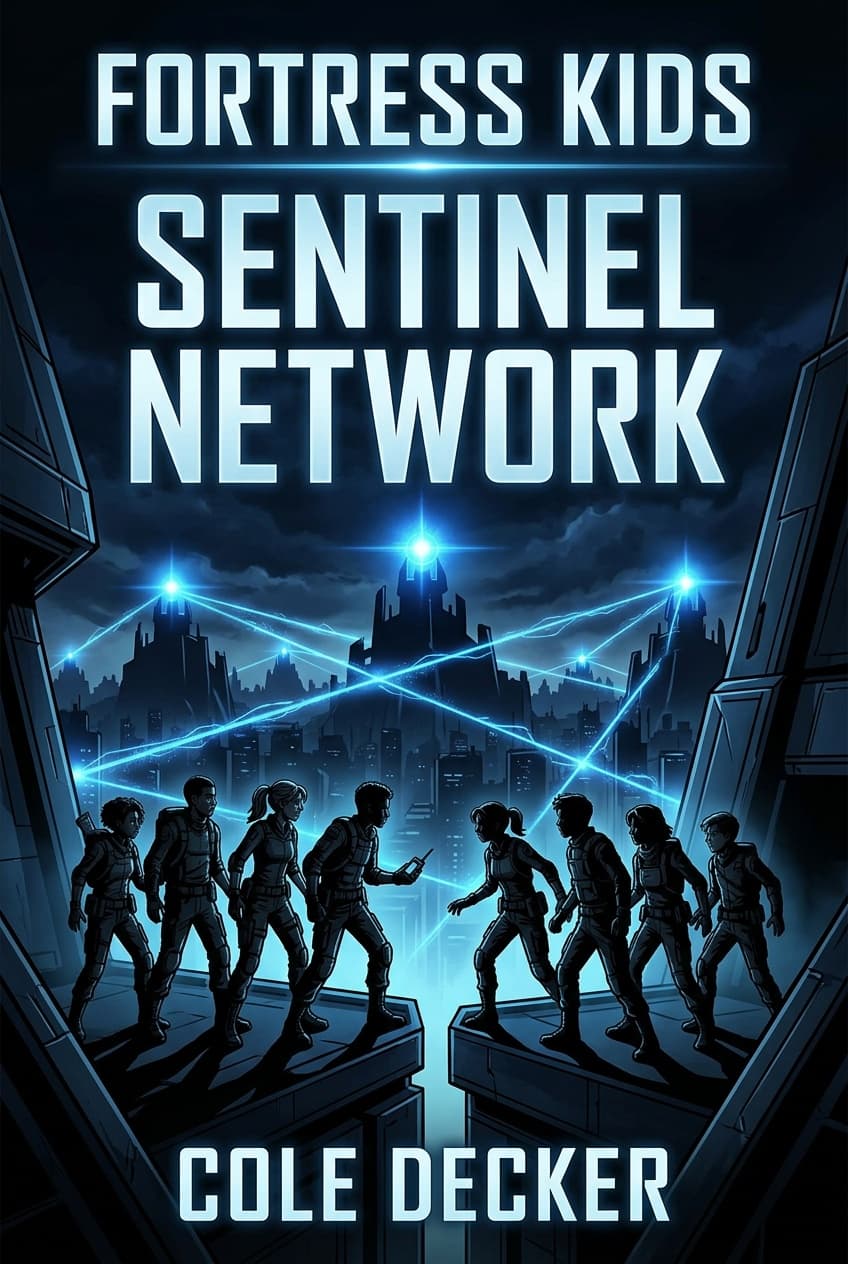
Fortress Kids expands from one block to a network of Sentinel teams whose survival depends on sharing designs and defending more than their own Core.
- 5
Change the system together
Across the four arcs, the final problem is larger than winning within the existing rules. Characters have to decide which rules deserve to survive.
Books in this guide
Follow the adventure
Open any book for its premise, age range, format details, and a numbered reading order for the complete series.
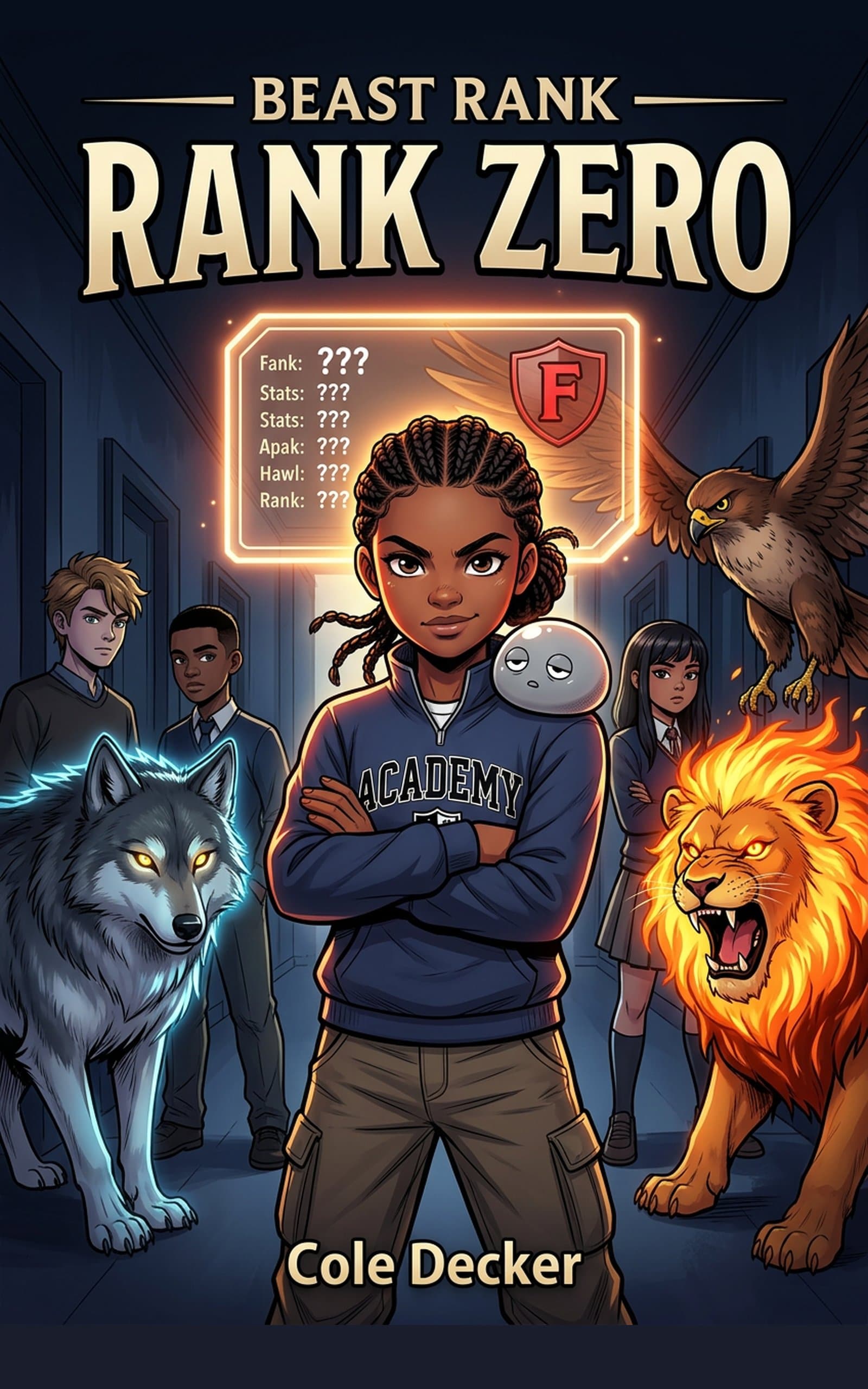
Rank Zero
Beast Rank Book 1
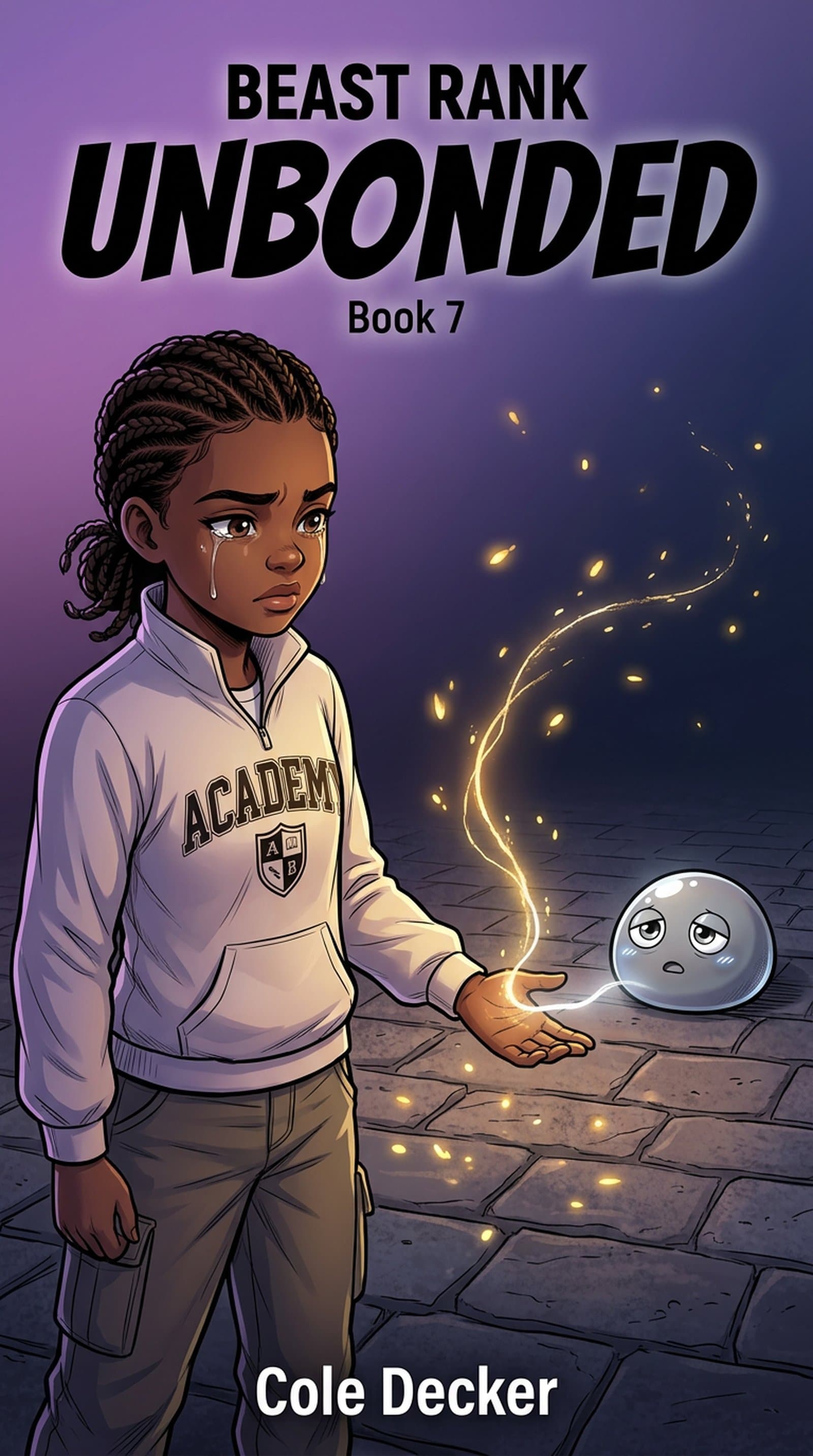
Unbonded
Beast Rank Book 7
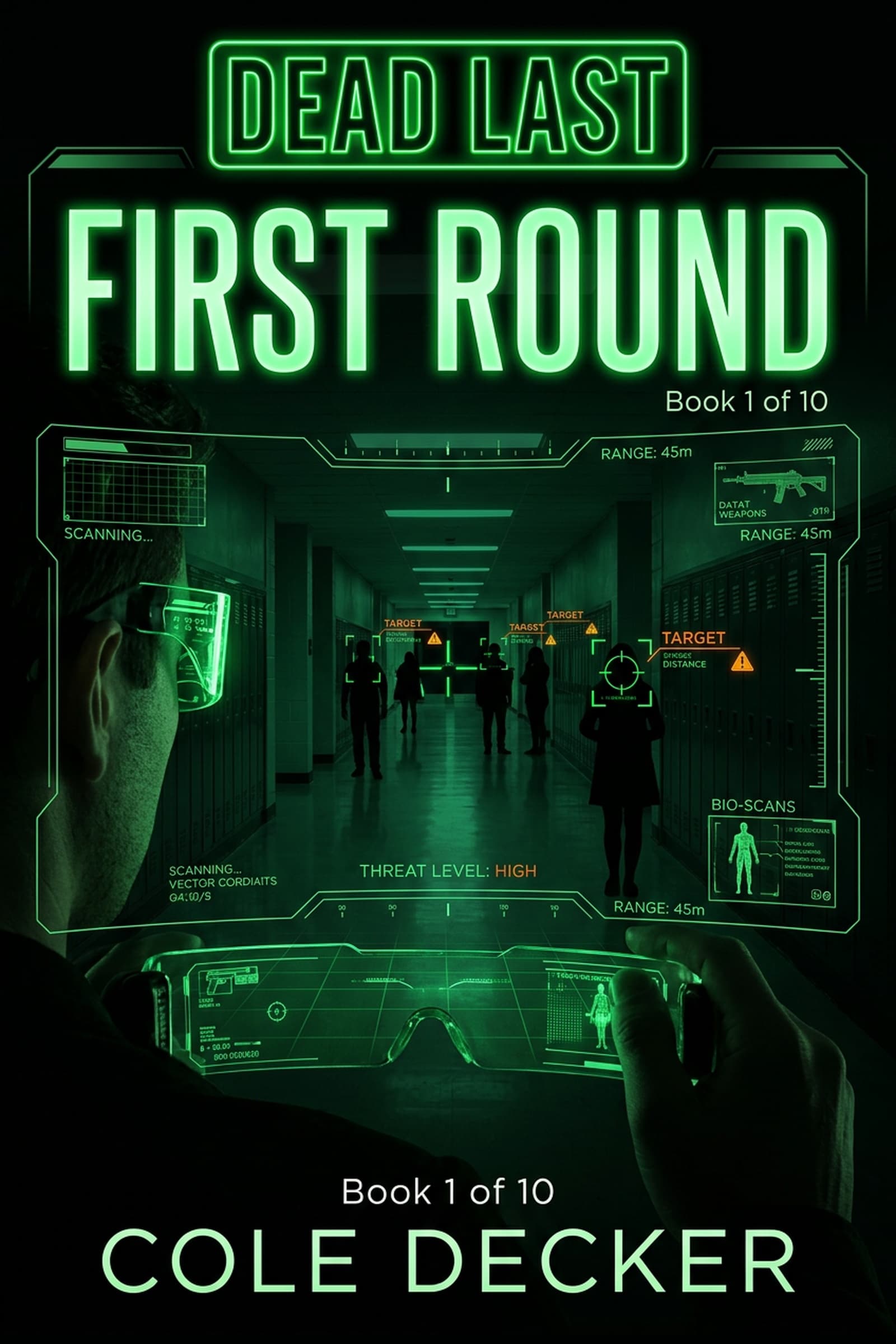
First Round
Dead Last Book 1
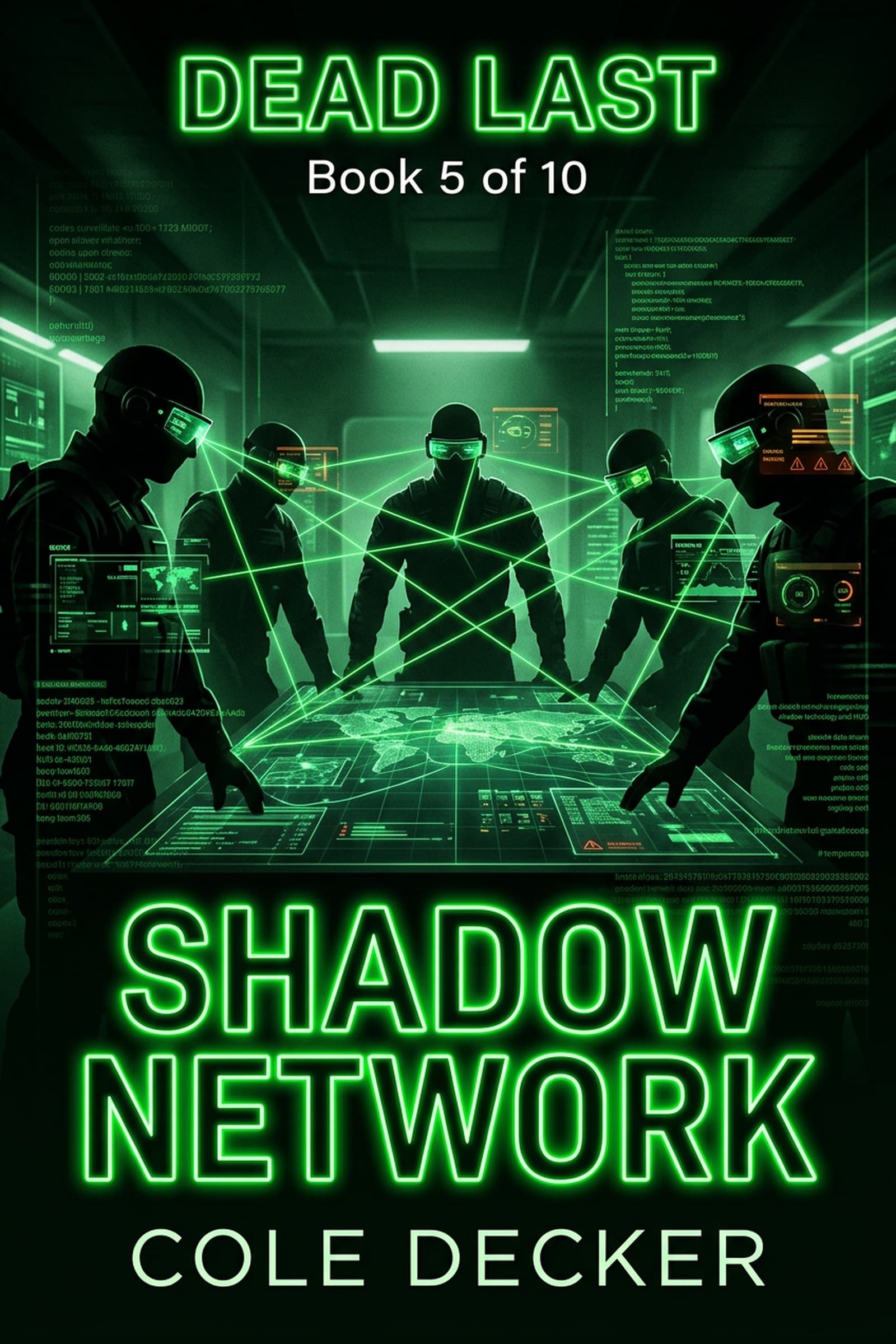
Shadow Network
Dead Last Book 5
Floor One
Dungeon Under Elm Street Book 1
The Rival Party
Dungeon Under Elm Street Book 4
Siege Night
Fortress Kids Book 1
Sentinel Network
Fortress Kids Book 4
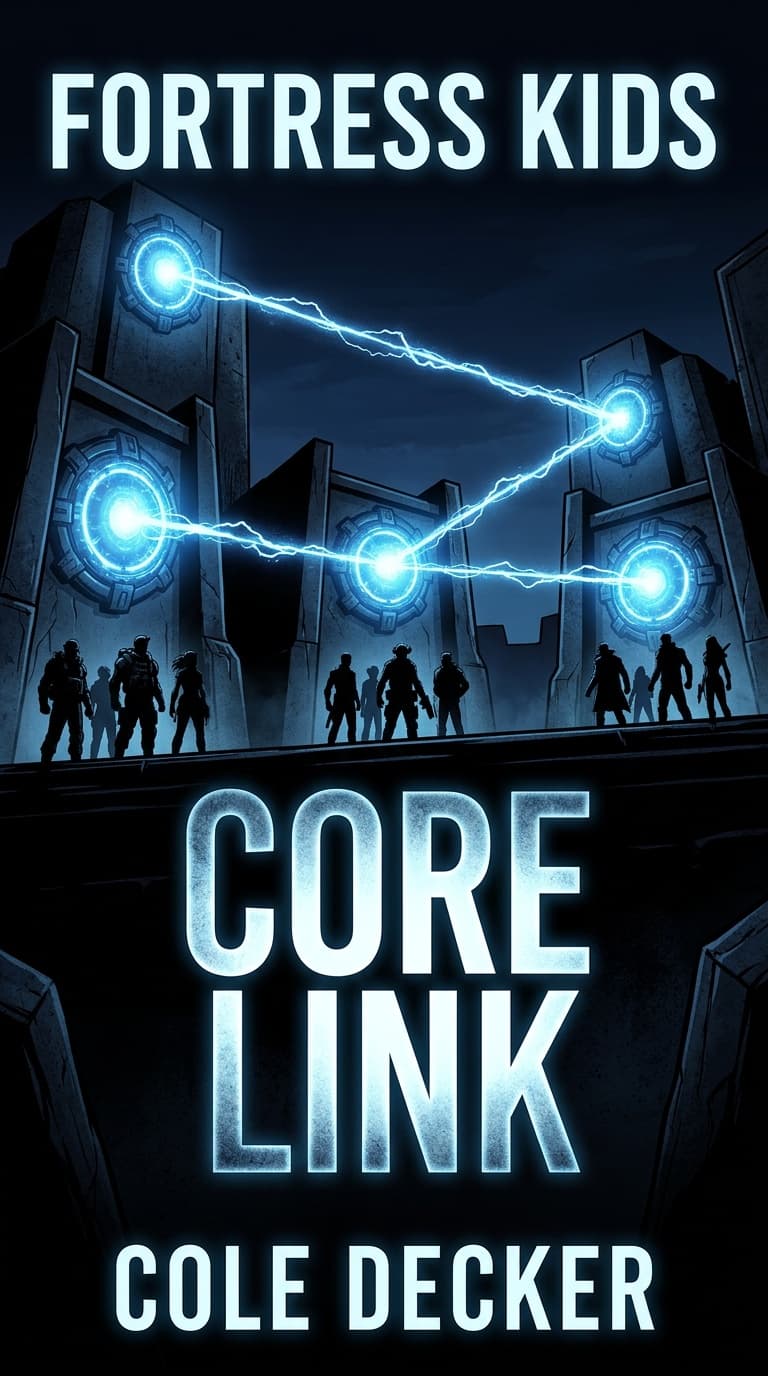
Core Link
Fortress Kids Book 5
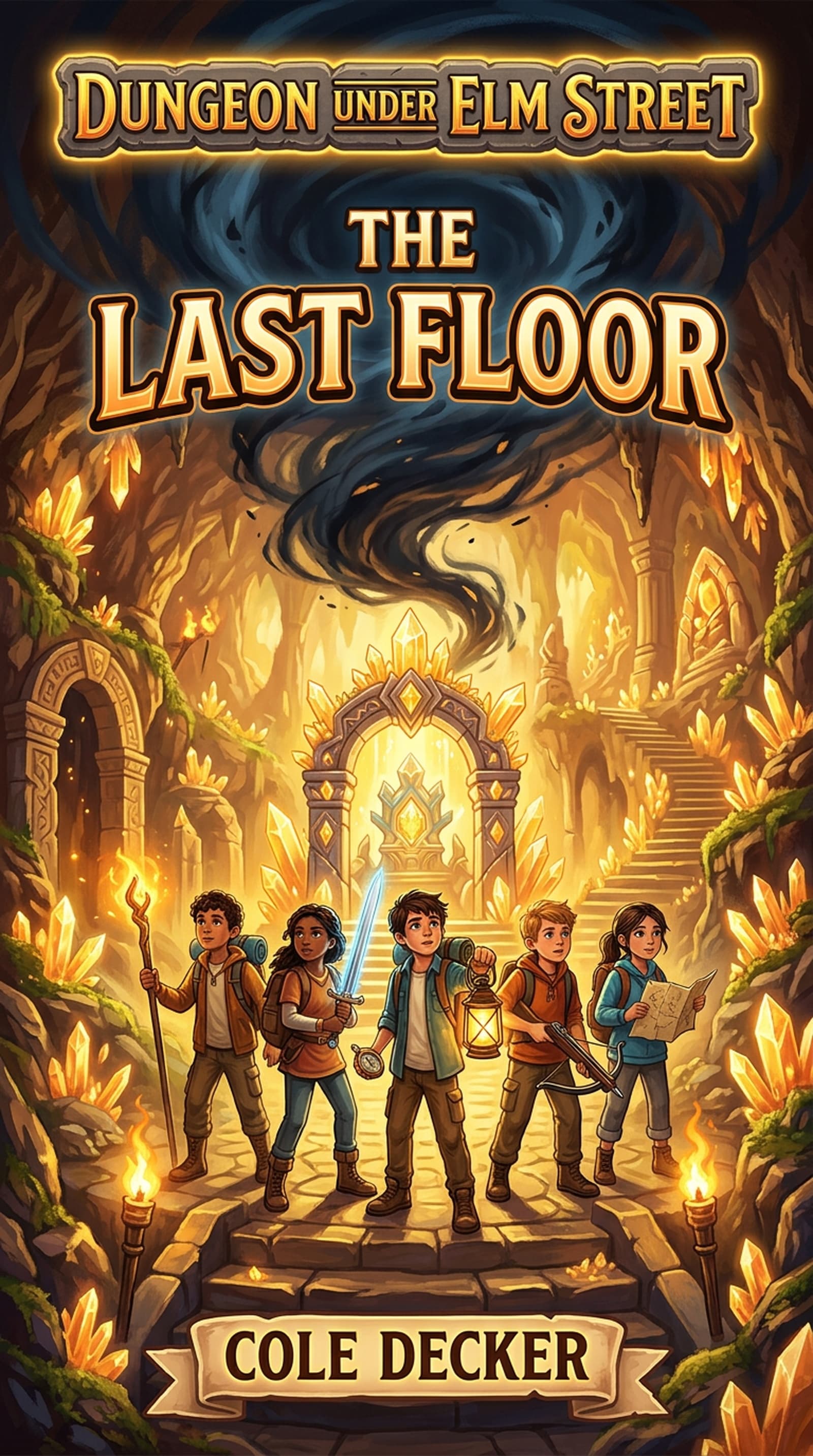
The Last Floor
Dungeon Under Elm Street Book 10
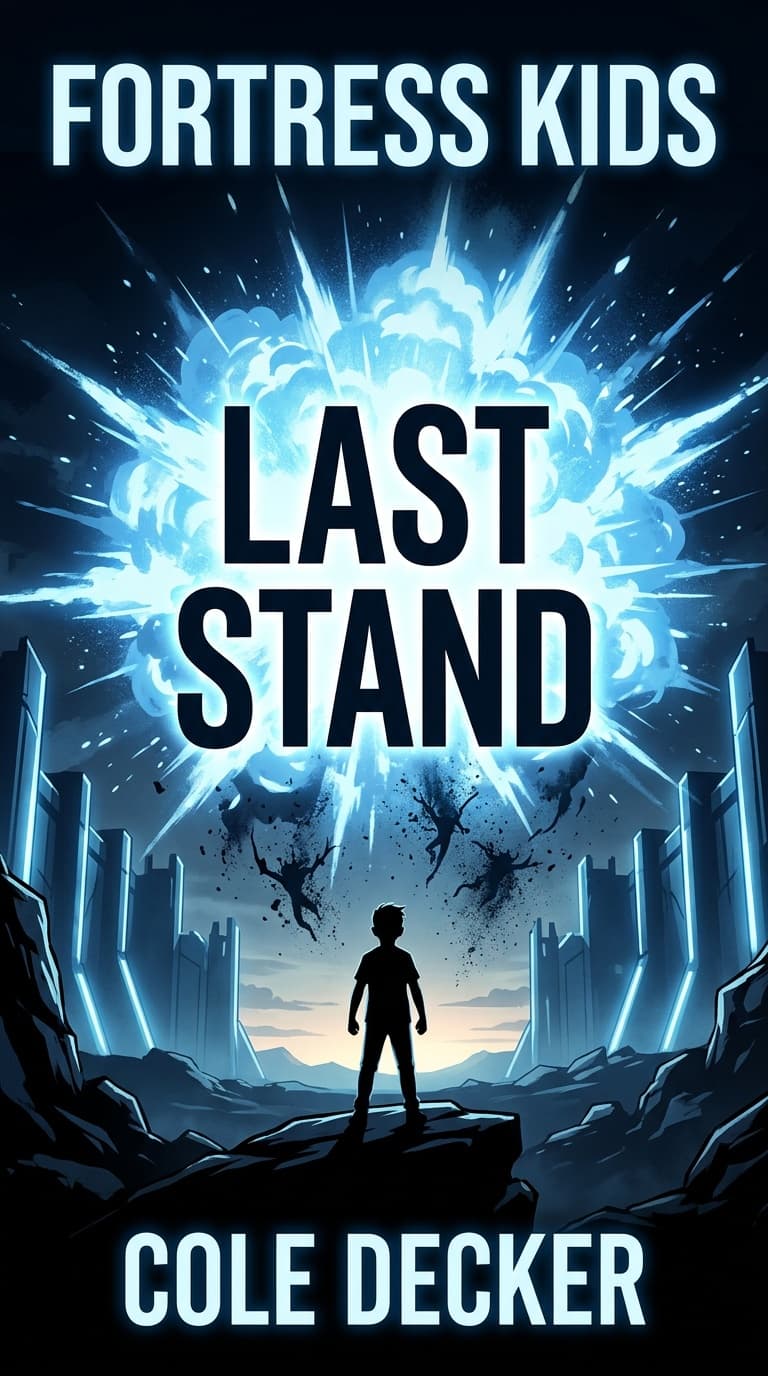
Last Stand
Fortress Kids Book 10
Behind the stories
GameLit, illustrations, and world building
These articles explain the mechanics and creative decisions behind the series without replacing the stories themselves.
What Is GameLit and Why Kids Love It
GameLit is one of the fastest-growing genres in middle grade fiction. Here is what it is, why it works, and how it connects to the games kids already play.
Naming Characters That Kids Remember
A good character name does half the work of characterization. Here is how I choose names that stick.
Building a Magic System Kids Can Follow
GameLit books need systems that feel like real games. Here is how I design progression mechanics that are fun to read without being confusing.
Why Every Book Has Illustrations (And How They Get Made)
Middle grade readers expect visual moments. Here is how illustration briefs become the black-and-white images in every Cole Decker book.
Common questions
Before choosing a series
Which Cole Decker series focuses most on teamwork?
All four use teamwork differently. Fortress Kids emphasizes coordinated building, Dungeon Under Elm Street uses a party structure, Dead Last makes trust and alliances central, and Beast Rank begins with the partnership between Zara and Pudge.
Do the books have themes beyond game mechanics?
Yes. The documented series themes include identity, trust, privacy, responsibility, community, friendship across difference, creative problem-solving, and the use or misuse of power.
Can these books support a family or classroom discussion?
The stories provide natural questions about rules, rankings, leadership, privacy, rivalry, and responsibility. Adults can discuss those choices without requiring the books to become formal lessons.